Decks built to outlast the mortgage.
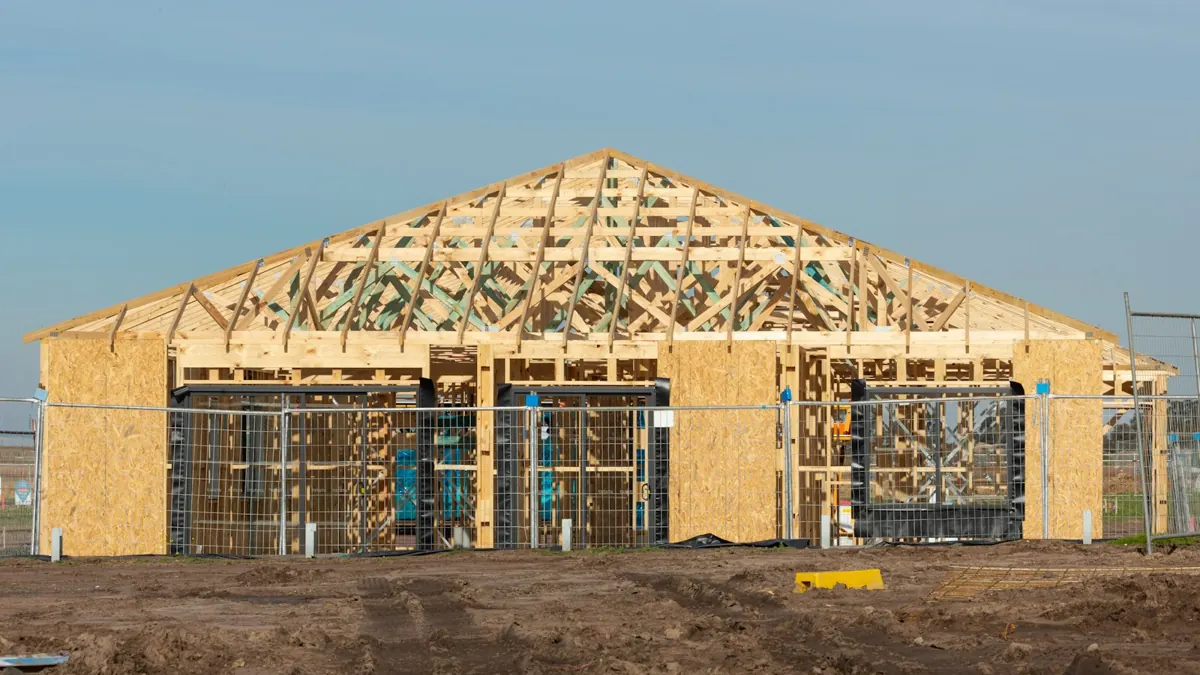
A good deck starts below the surface. Footings, framing, and flashing are where it is won or lost, and we treat them that way.
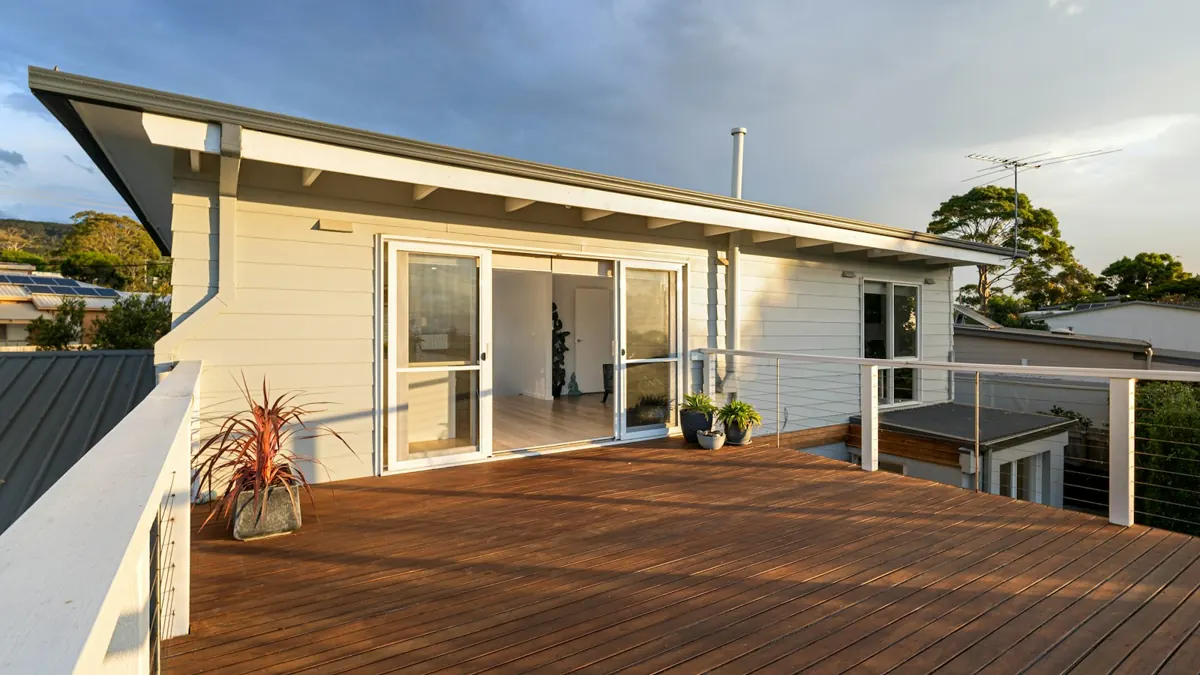
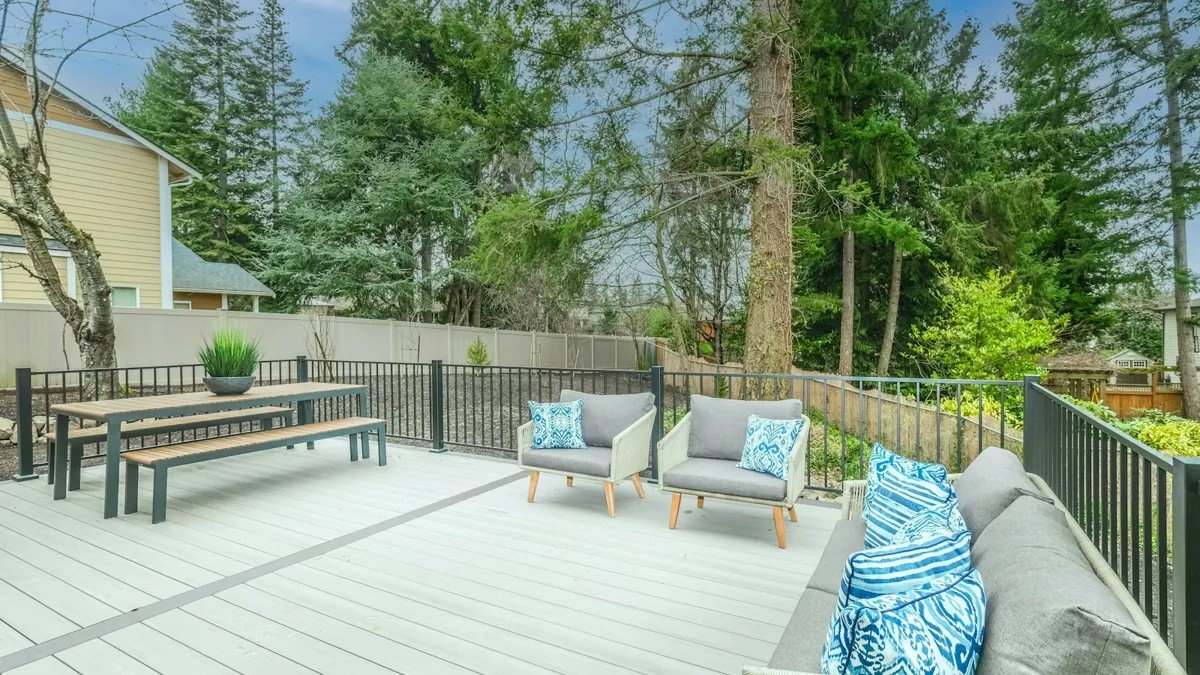
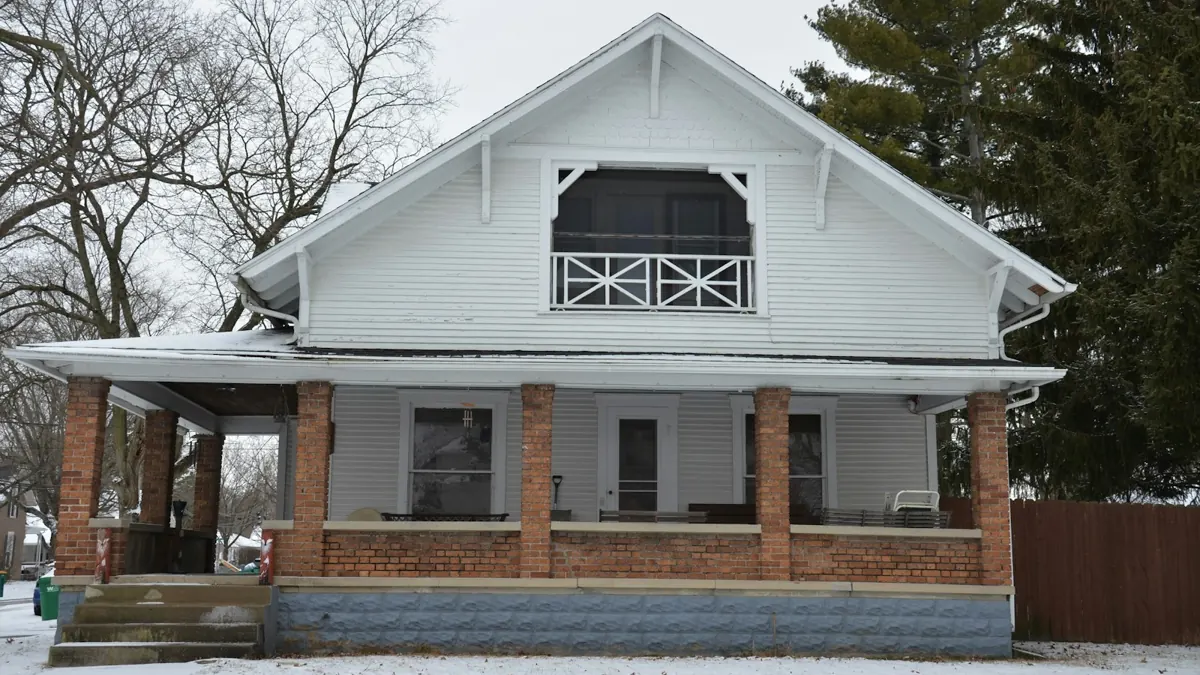
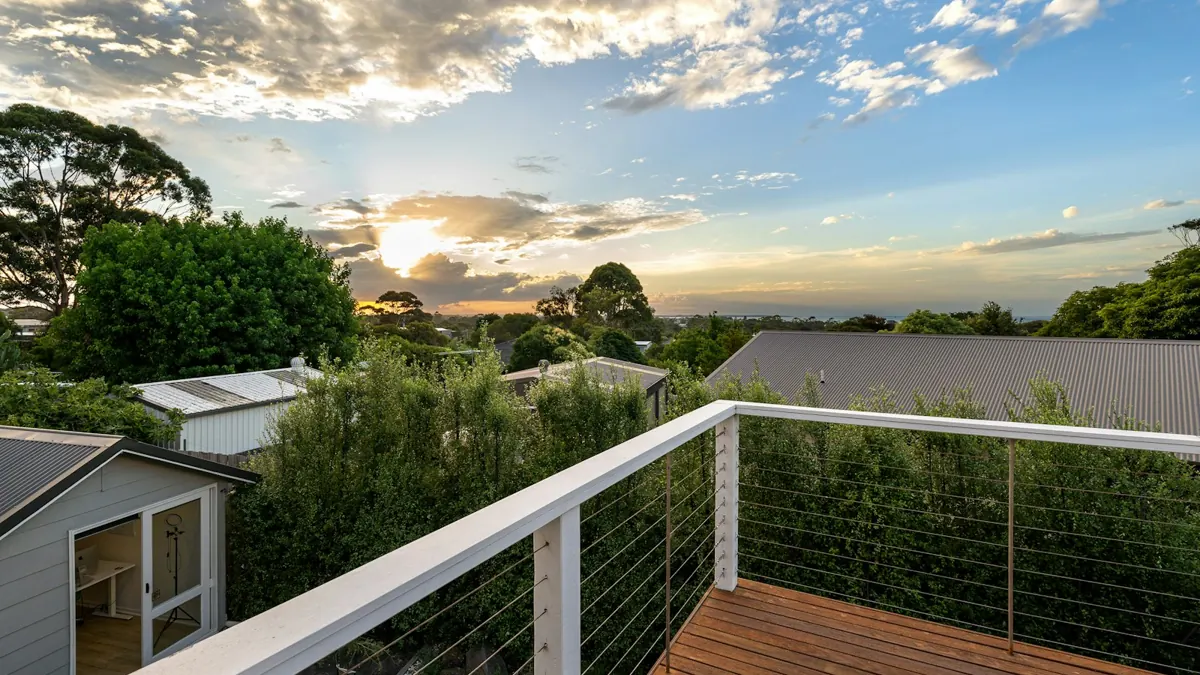
What we build
- New decks in composite, PVC, cedar, or pressure-treated
- Deck rebuilds and resurfacing over sound framing
- Screened porches and three-season rooms
- Pergolas, arbors, and shade structures
- Stairs, landings, and code-compliant guard rail
- Paver patios, walkways, and retaining walls
- Outdoor kitchens, built-in seating, and fire features
- Deck lighting, ceiling fans, and outlets, wired by a licensed electrician
- Drainage, under-deck ceilings, and dry-below systems
- Tear-out and haul-away of failed decks
Decking material comparison
| Material | Up-front cost | Upkeep | Realistic life | Best for |
|---|---|---|---|---|
| Pressure-treated pine | $ | Clean and seal every 1–2 years | 10–15 years | Tight budgets, big footprints, decks you plan to paint |
| Western red cedar | $$ | Clean and seal every 1–2 years | 15–20 years | People who want real wood and will actually maintain it |
| Capped composite | $$$ | Wash once a year | 25–30 year warranties are typical | Most of our clients. Best balance of cost and forgetting about it |
| Cellular PVC | $$$$ | Wash once a year | 30+ year warranties are typical | Pool decks, full southern sun, genuinely zero maintenance |
What makes a deck last
Most of what separates a twenty-year deck from a ten-year deck is buried before the decking ever goes down.
- Footings below the frost line. Shallow footings heave. A heaved footing racks the frame and there is no fixing it later.
- Ledger flashing and a bolt pattern to code. A failed ledger connection is the single most common cause of deck collapse. It is also the cheapest thing to get right.
- Joist tape on every joist top. Water sits in fastener holes. Tape is a few dollars a roll and it's the difference between a rotted frame and a sound one.
- Hot-dip galvanized or stainless hardware. Electroplated fasteners react with treated lumber and fail early. We don't use them.
- Guard rail and baluster spacing to code. Rail height and the 4-inch sphere rule aren't suggestions, and an inspector will catch it even if nobody else does.
Permits and inspections
Most deck projects in our area need a permit and a sequence of inspections — typically footings, then framing, then final. We pull the permit, schedule the inspections, and meet the inspector on site so you don't have to take a day off work.
Thresholds and requirements differ between Fairfax, Arlington, Montgomery County, and DC. We confirm the specifics for your address before we give you a price, so there are no surprises after the fact.
Ready to build? Let's talk.
Estimates are free, in writing, and there's no pressure. Tell us what you're picturing and we'll come look at it.